
Twitter Autocracy?
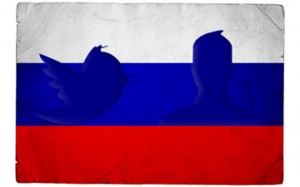 One of the many threads to emerge from the dramatic events of last week is the ascendant role of social media. It was widely publicized last week that, prior to the protest rally in Moscow on Saturday, a Facebook group attracted 20,000 names who pledged their presence. Equally, the ruling party have found it harder to deny allegations of ballot stuffing when the Internet is awash with images that seem to depict election fraud, images that can all too easily be captured in the era of the smart phone. It is necessary to point out, however, that there is no guarantee that increased use of social media directly correlates with increased protest on the street. Another ambivalence surrounding the increased use of social media is the fact that the power vertical may yet prove as willing to engage with it as the opposition movement. United Russia now has its own (albeit entirely redundant) Facebook group for ‘free elections’. Luke Allnut, RFE/RL’s resident digital activism expert from the Tangled Web blog dissects these important strands: